
Eugénie Grandet
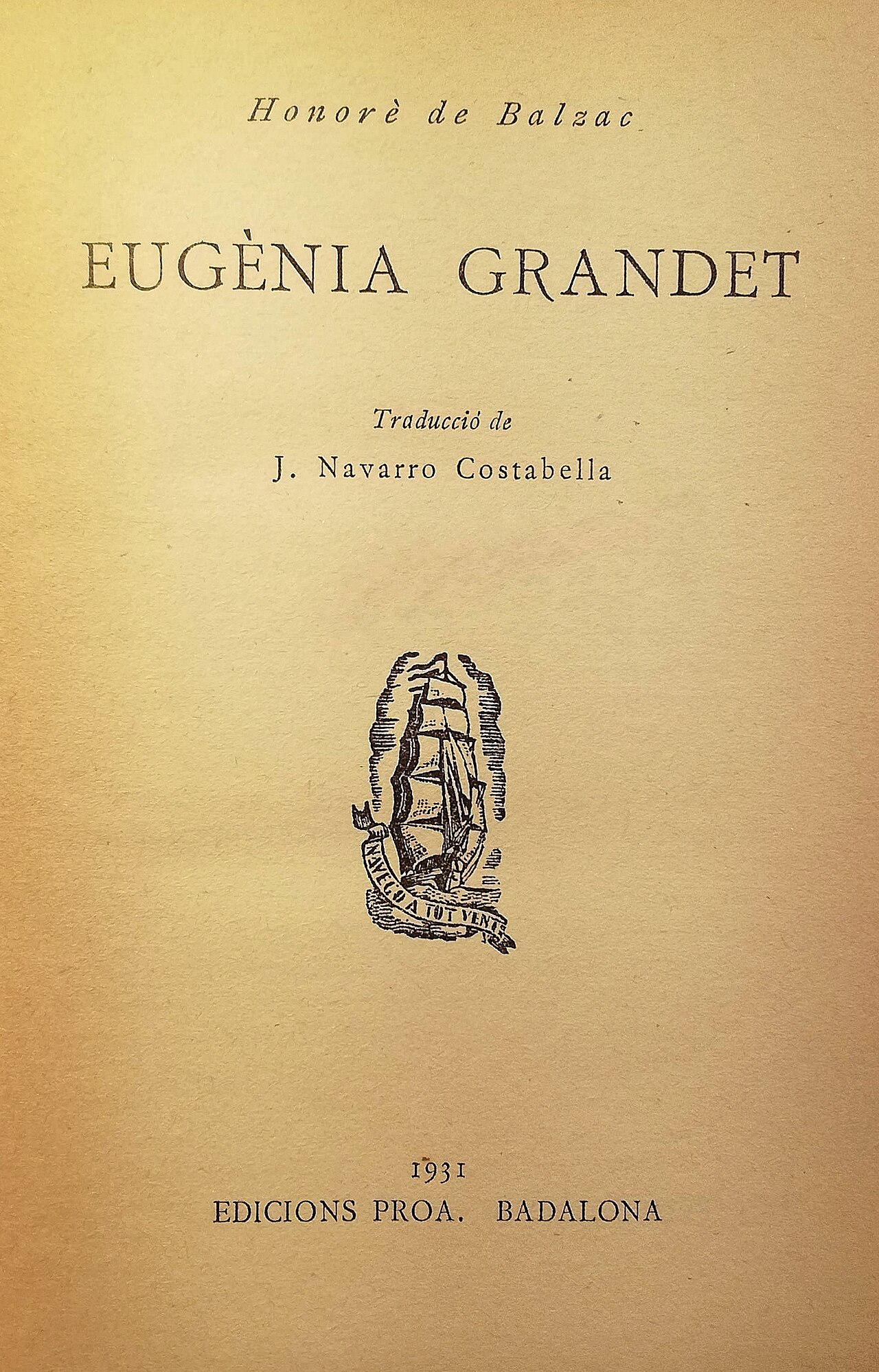
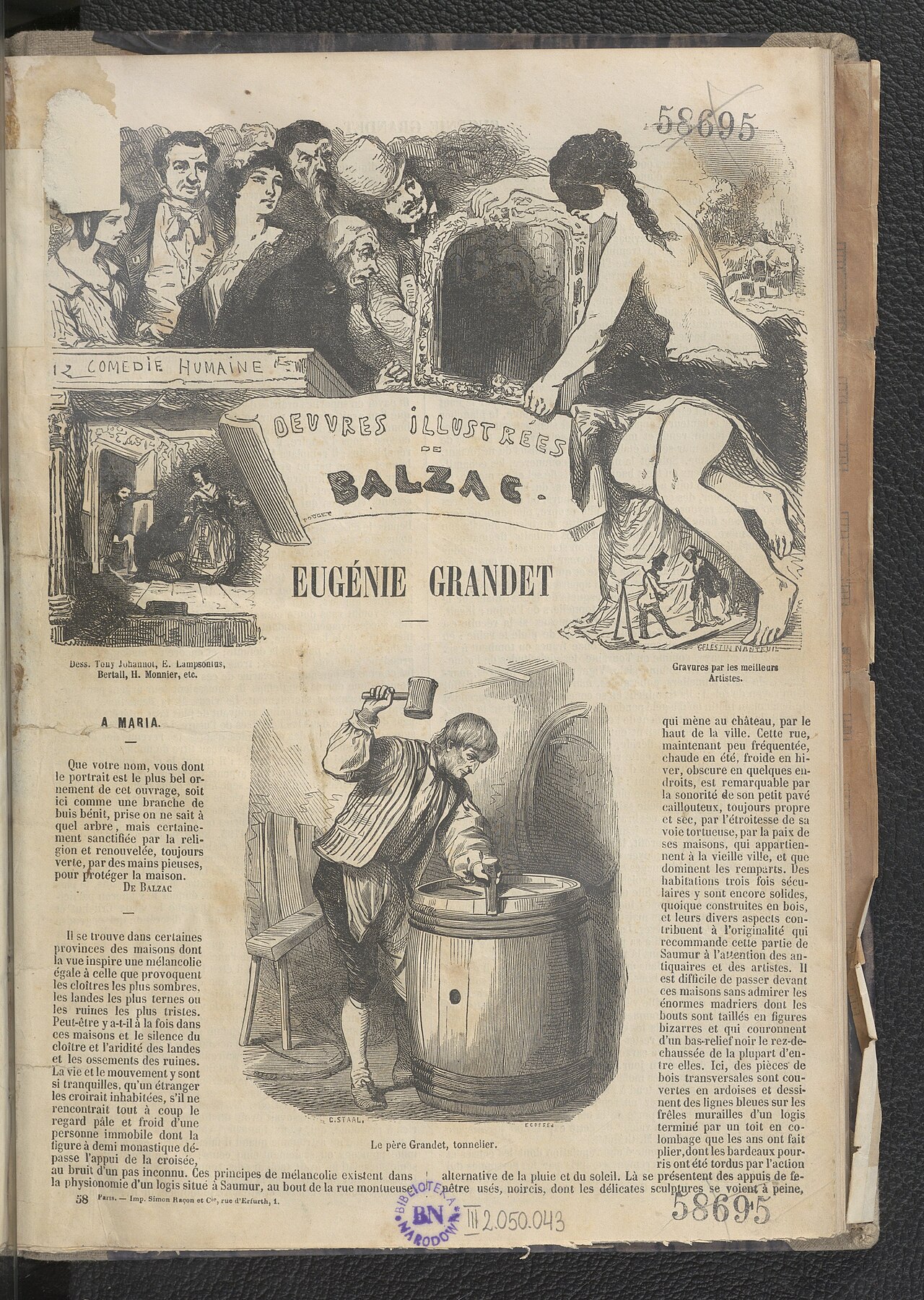
Balzac novel about miserly Felix Grandet and his daughter Eugénie.

via Wikipedia: Fyodor Dostoevsky · see source
It forms part of Balzac's ambitious project La Comédie humaine, specifically in the section Scenes from provincial life. The novel is set in the town of Saumur and explores themes of money, miserliness, and provincial life, centered on the wealthy but parsimonious Felix Grandet and his daughter Eugénie.
- author
- Honoré de Balzac
- nationality
- French
- field
- Literature
- known_for
- Part of La Comédie humaine, Scenes from provincial life
Lore & Background
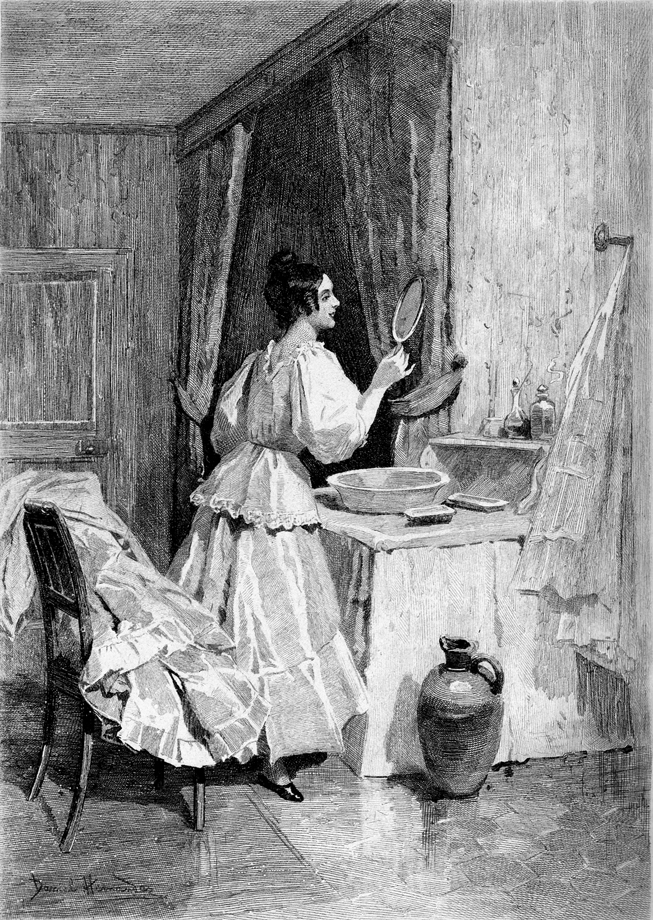
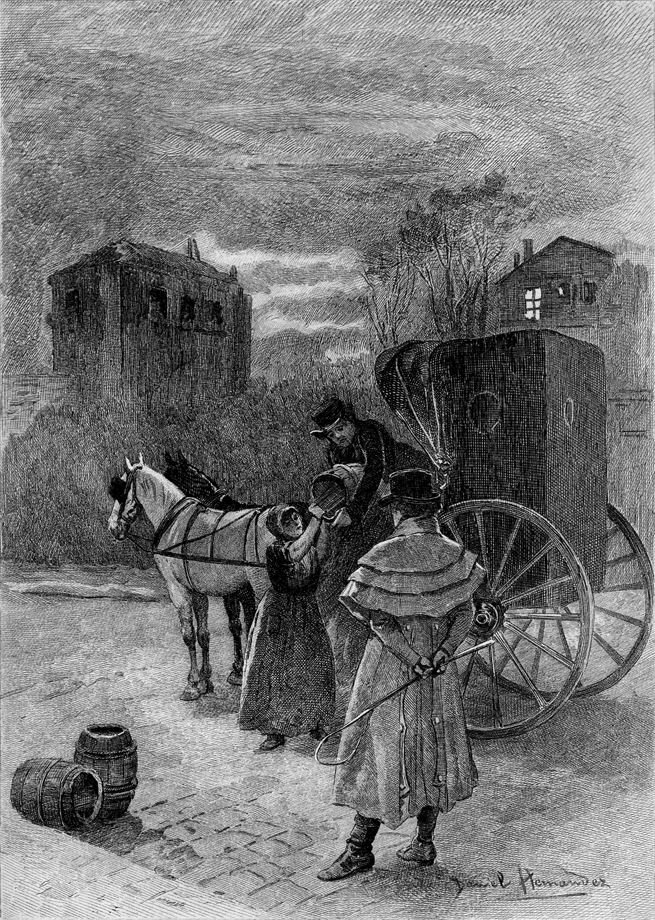
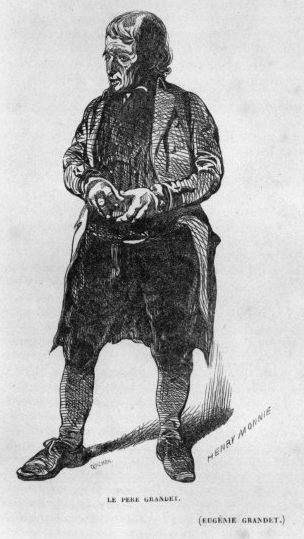
The novel is set in Saumur, a town familiar to Balzac from his upbringing in nearby Tours. While writing Eugénie Grandet, Balzac conceived his ambitious project La Comédie humaine and almost immediately prepared a second edition, revising character names to fit the work into the section Scenes from provincial life. He dedicated the edition to Maria Du Fresnay, then his lover and mother of his daughter Marie-Caroline Du Fresnay. The plot follows Felix Grandet, a master cooper who amassed wealth by buying confiscated Church lands during the French Republic. His miserly habits dominate the household, including rationing bread and giving his wife only six francs at a time. On Eugénie's birthday in 1819, a letter from Felix's bankrupt brother Guillaume arrives, leading to Charles's arrival and eventual departure to the Indies. Eugénie gives Charles her gold coins, enraging Felix, who imprisons her. Felix only relents when warned that his wife's death would give Eugénie inheritance rights. After Felix dies, Eugénie becomes wealthy and waits for Charles, who instead marries into a noble family and demands his dressing case back.
Reader's Guide
Eugénie Grandet is significant as an early work in Balzac's La Comédie humaine, illustrating his belief that money had become the national god. The novel's detailed depiction of provincial life and miserly behavior reflects Balzac's own financial struggles; he was in serious debt in the 1820s and received a large loan from his tailor, Jean Buisson, in exchange for product placement in this and other works. The story's focus on inheritance as the primary route to prosperity in early 19th-century France, along with its portrayal of greed and avarice, makes it a key text in understanding Balzac's social commentary. The novel's legacy lies in its enduring exploration of the corrosive effects of wealth and the constraints of provincial society.
Did You Know?
- Balzac dedicated the second edition of Eugénie Grandet to Maria Du Fresnay, his lover and the mother of his daughter Marie-Caroline Du Fresnay.
- The novel's miser Felix Grandet amassed his wealth by buying confiscated Church lands during the French Republic.
- Balzac was in serious debt in the 1820s and received a large loan from his tailor, Jean Buisson, in exchange for product placement in this and other works.
- Eugénie Grandet was written while Balzac conceived his ambitious project La Comédie humaine.
- The novel is set in Saumur, a town familiar to Balzac from his upbringing in nearby Tours.
Gallery
Frequently Asked Questions
Who is Eugénie Grandet?
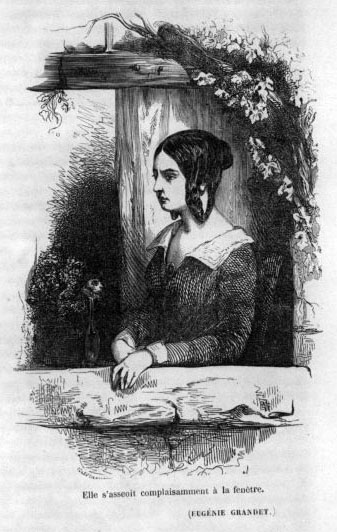
Eugénie is the daughter of Felix Grandet, a wealthy yet miserly wine merchant in the French town of Saumur. She is the central figure of Honoré de Balzac's 1834 novel, which traces how her father's all-consuming greed shapes her relationships and life choices.
Who wrote Eugénie Grandet and when was it published?
French novelist Honoré de Balzac wrote the work, which ran as a serial from 1833 to 1834 before appearing in book form in 1834. It sits within the 'Scenes from Provincial Life' section of his overarching project La Comédie humaine.
What are the main themes of Eugénie Grandet?
The novel examines the corrosive grip of money and avarice on family bonds, the stifling constraints of small-town provincial society, and the personal sacrifices—especially for women—that duty and love demand in that world.
Where is Eugénie Grandet set?
The story unfolds primarily in Saumur, a modest French town whose narrow social circles and mercantile values Balzac uses to highlight the tension between provincial limitation and the broader world Eugénie eventually enters.
How does Eugénie Grandet's story end?
After her father's death and a short stretch of fortune, Eugénie marries the Comte de Restaud and follows him to Paris, where she becomes a devoted but largely overlooked wife. Her life closes in quiet, selfless devotion to his memory, her own desires long since subordinated to duty.
More in Novels & Major Fiction 1-24
Elsewhere in the Novels & Major Fiction universe
Spotted an error? Know more?
This is a living reference — every entry is fact-audited, and reader corrections feed straight into our audit queue. Suggest an edit · See this site's audit record